
Remember the old Simon and Garfunkel song, “I Am a Rock”? Even if the song is older than you, you’ve likely heard it. Check out just some of the lyrics:
I’ve built walls
A fortress deep and mighty
That none may penetrate
I have no need of friendship, friendship causes pain
It’s laughter and it’s loving I disdain
I am a rock
I am an island
Don’t talk of love
But I’ve heard the words before
It’s sleeping in my memory
I won’t disturb the slumber of feelings that have died
If I never loved I never would have cried
I am a rock
I am an island
And a rock feels no pain
And an island never cries
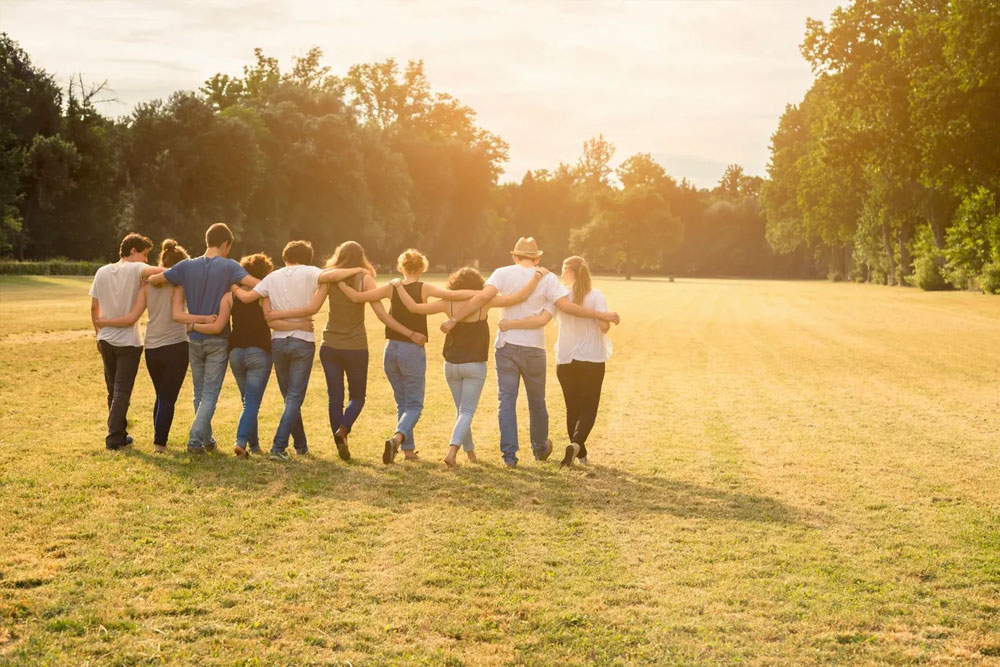
Living deep in your own fortress, cut off from friendships, from love, is no way to live. We were made to connect to one another in a variety of ways: friendships, lovers, parents, children. People need other people, that’s how God designed us.
So why do some of us feel so lonely? Perhaps, like the man in the song, you’ve loved and been hurt. Your fear keeps you isolated from others because that feels safer. Maybe you think very little of yourself. You see yourself as worthless so why would other people want to know you? Possibly you fear being rejected or simply disliked. Maybe some people in your life are just exhausting to know, they suck the energy out of you, so you don’t even bother.
I get it. I really do. Relationships are hard work. Some relationships aren’t healthy and you should not pursue them. However, here’s the truth: We all need people in our lives. We don’t need ALL people, but we all need SOME people.
Every ounce of effort you put into relationships will be worth it. You are not a rock or an island. You weren’t made to work that way. You were made to attach, to connect, to live truly knowing other people and letting them know you.
Are you cut off from people? Living in your own emotional fortress? Maybe you aren’t actually physically cut off, living like a hermit. But are you living like an emotional hermit? Are you distant from the people in your own house? Your neighbors? Do you have friends that really know what’s happening in your life?
You don’t have to live lonely. In fact, you weren’t meant to. Please reach out and set up an appointment with me if you’re feeling alone, stuck, cut off. Consider online counseling. Let’s get you reconnected so you know the joy you were meant to experience.